Myristic Acid
- INCI name
- Myristic Acid
- Also known as
- Tetradecanoic acid
Use with care. Fine for most people, with a caveat worth knowing (see below).
What it does
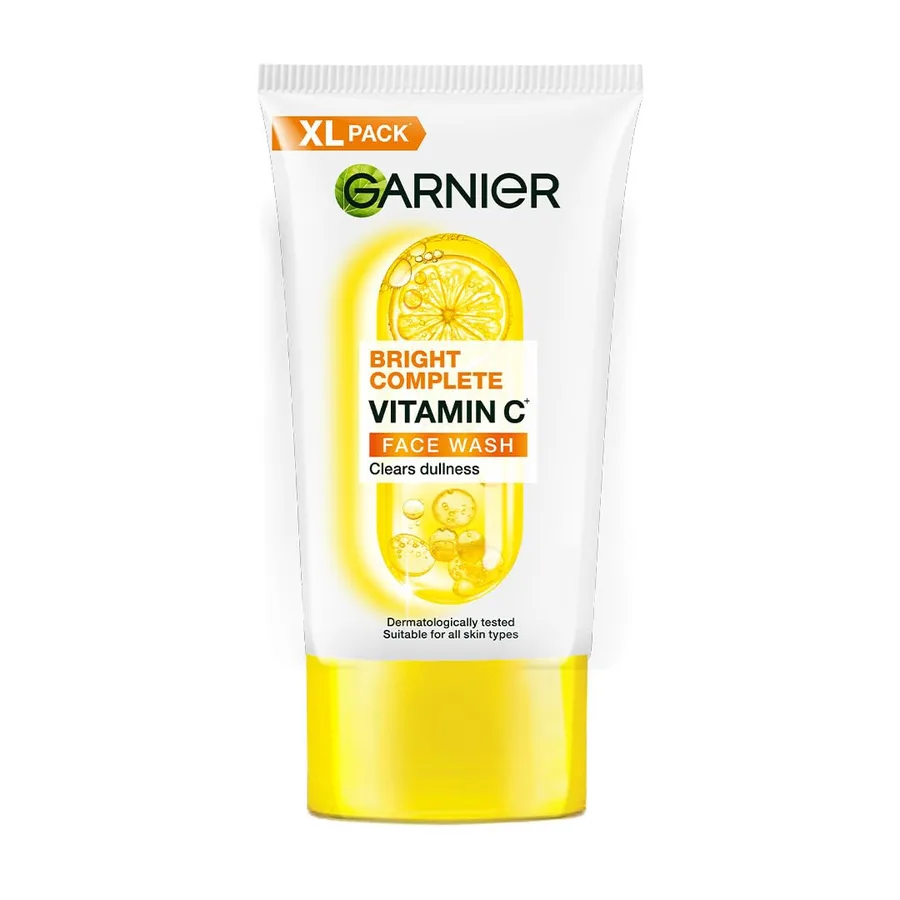
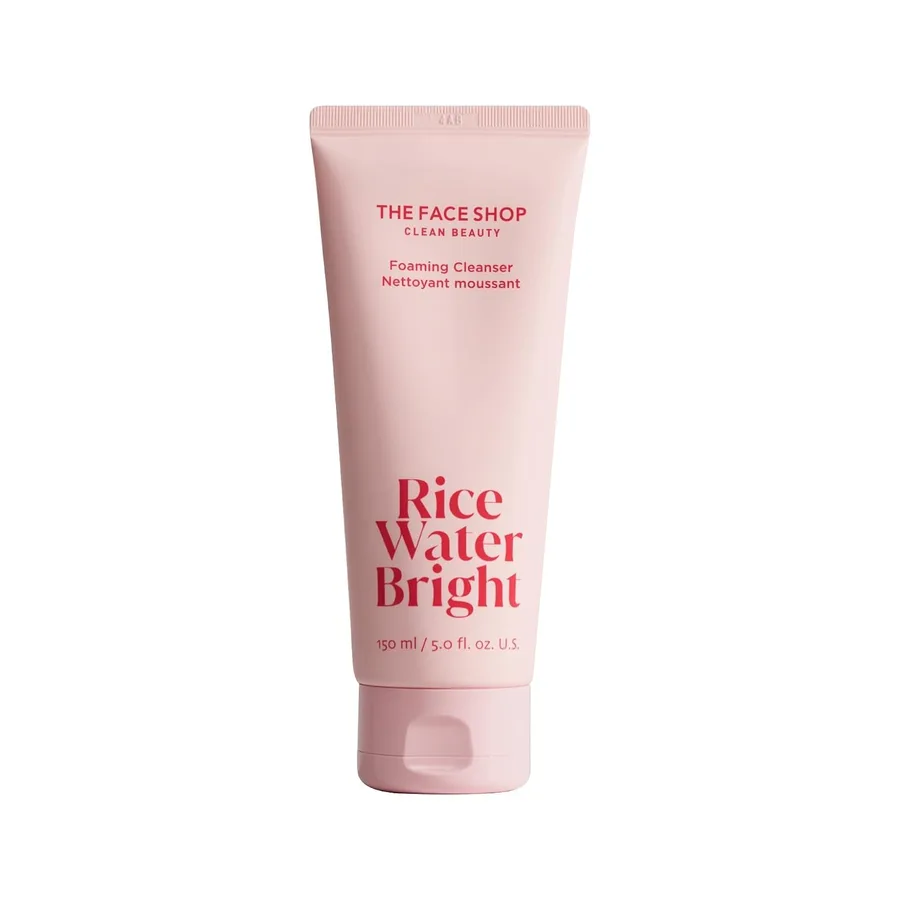
A saturated fatty acid found in coconut, palm kernel and nutmeg fats. In foaming face washes it is reacted with potassium hydroxide to make a soap (potassium myristate), which gives a dense, creamy lather.
- Clogs pores?
- 0/5 · Non-comedogenic
- Typical strength
- Often one of the main fatty acids in soap-based cleansers; exact levels are rarely disclosed
- Suits
- Oily and normal skin, in soap-based cleansers
- Avoid if
- Your skin is dry, sensitive or eczema-prone and you are choosing a cleanser
Benefits
Soaps made from it clean very effectively and remove oil, sweat and grime well. On its own, in creams, it acts as a thickener and emollient.
Concerns and risks
Soap-based cleansers are alkaline, usually around pH 9–10, well above the skin's natural pH of about 5. Regular use can loosen barrier lipids and leave dry, sensitive or eczema-prone skin tight and irritated, which is why milder synthetic surfactants are preferred for those skin types.