Kojic Acid
- INCI name
- Kojic Acid
- Also known as
- 5-Hydroxy-2-(hydroxymethyl)-4-pyrone
Use with care. Fine for most people, with a caveat worth knowing (see below).
What it does
A by-product of fermenting rice and other foods with Aspergillus fungi. It slows tyrosinase, the enzyme skin uses to make melanin, which is why it appears in products for dark spots and tanning.
- Clogs pores?
- 0/5 · Non-comedogenic
- Typical strength
- 1–4% in leave-on products
- Suits
- Most skin types in leave-on products; patch-test first
- Avoid if
- You have reacted to kojic acid before, or your skin is very sensitive or broken
Benefits
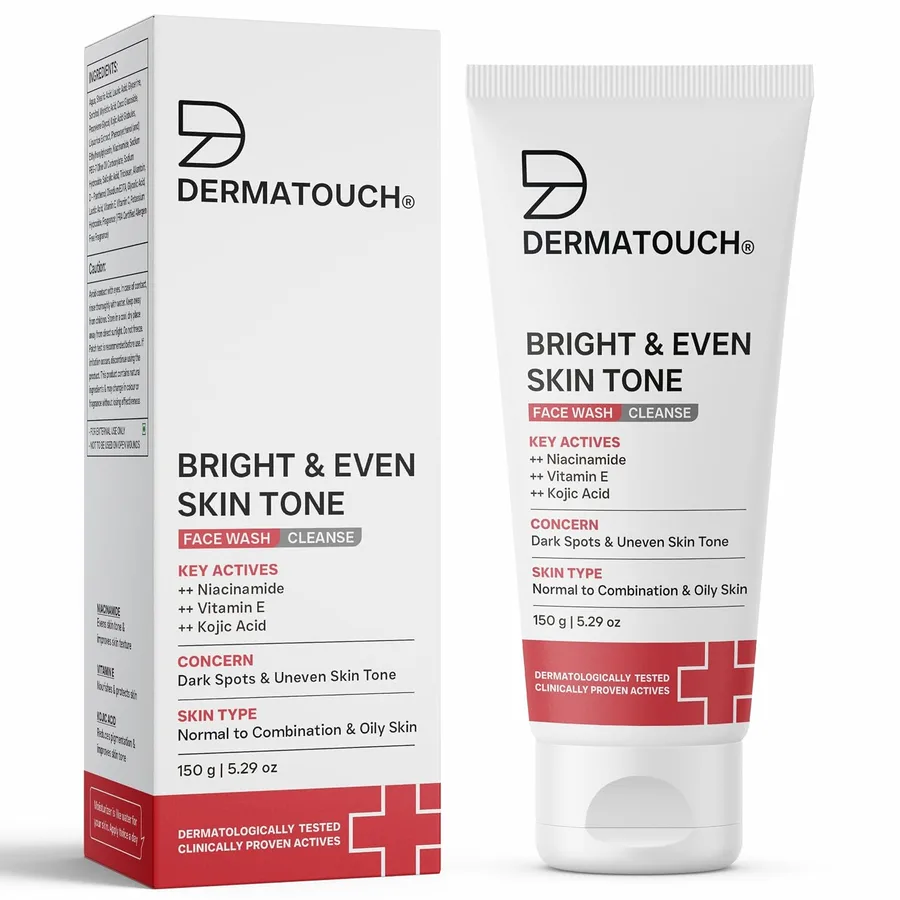
In leave-on creams, usually at 1–4% and often paired with other lighteners such as hydroquinone or glycolic acid, it modestly fades hyperpigmentation including melasma; reviews rank it below hydroquinone. In a rinse-off cleanser the contact time is too short for a meaningful effect.
Concerns and risks
A recognised contact allergen: case reports describe allergic contact dermatitis, and it can sting or irritate. It is also unstable and can discolour when exposed to light and air.