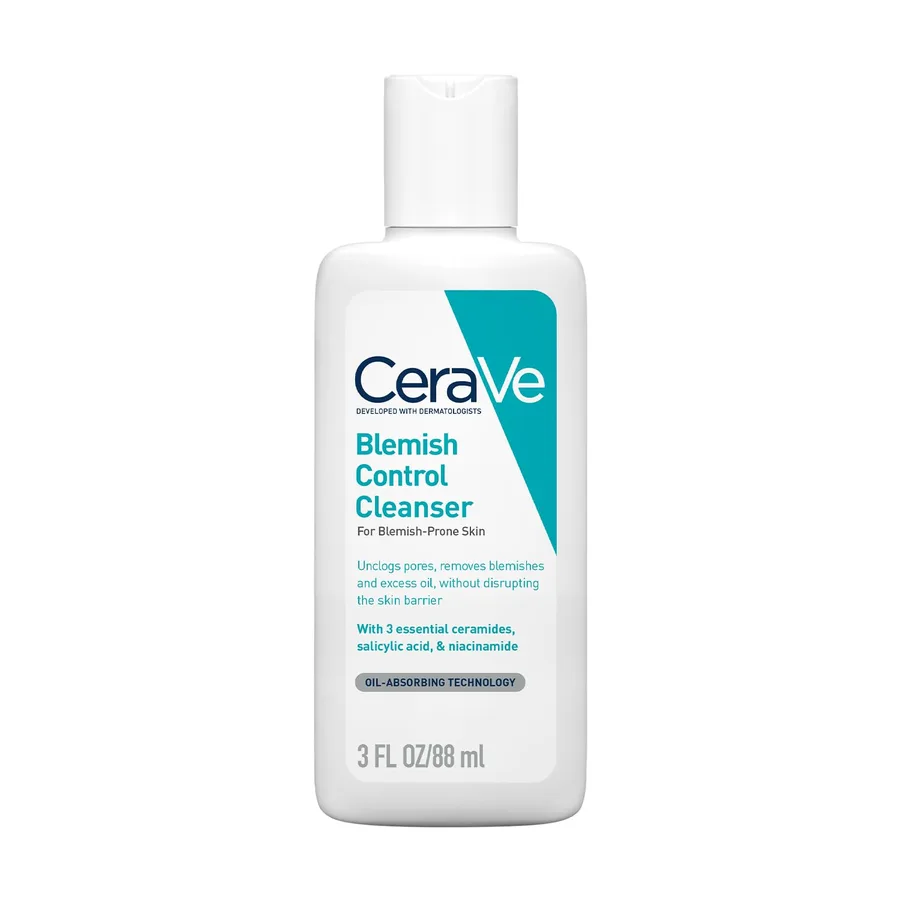
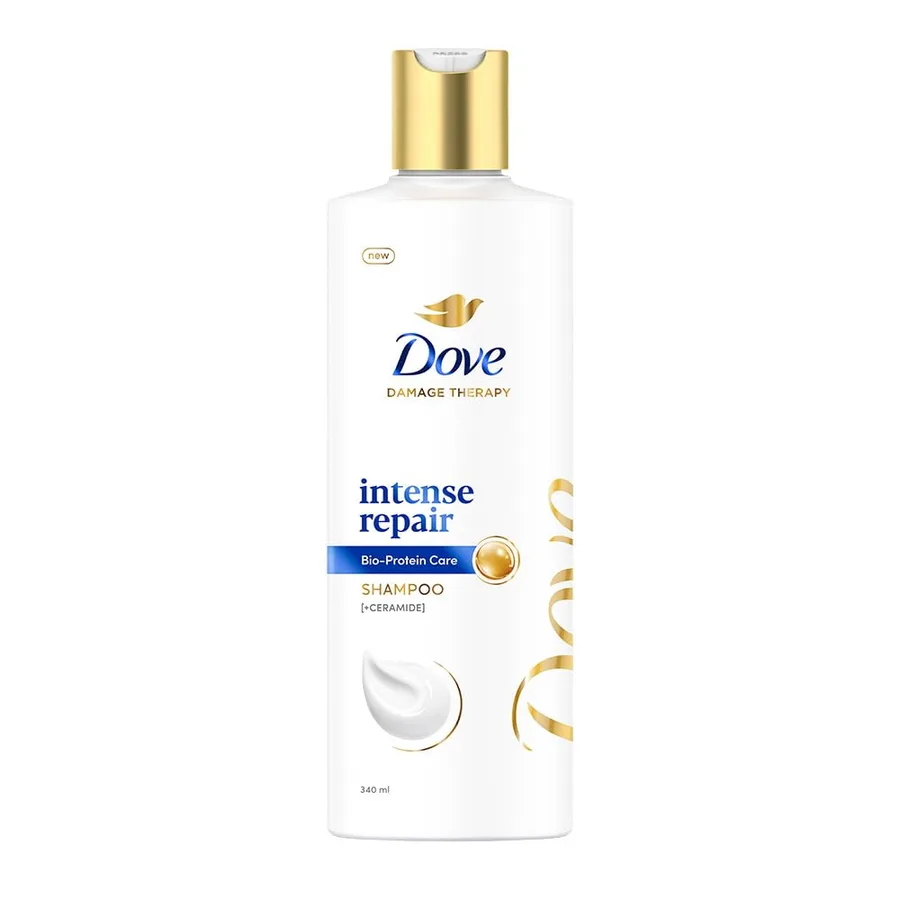
Gluconolactone
- INCI name
- Gluconolactone
- Also known as
- Glucono-delta-lactone; a polyhydroxy acid (PHA)
Generally safe. No common concerns at the strengths used in skincare and hair care.
What it does
A polyhydroxy acid (PHA), a larger relative of glycolic acid. It loosens the bonds between dead skin cells more slowly than AHAs, and it also attracts water to the skin.
- Clogs pores?
- 0/5 · Non-comedogenic
- Typical strength
- Around 1–2% in cleansers; 4–15% in leave-on products
- Suits
- All skin types, including sensitive skin that finds AHAs too strong
Benefits
Gives mild exfoliation with less stinging than glycolic or lactic acid, which makes it a common choice for sensitive skin, and helps skin hold moisture. In a 150-person trial, a 14% gluconolactone lotion reduced acne lesions comparably to 5% benzoyl peroxide, with fewer side effects. In a rinse-off cleanser at a low level, its effect is gentle.
Concerns and risks
Generally very well tolerated. Like any acid it can sting on broken or freshly shaved skin, and stacking several acids at once can still over-exfoliate.